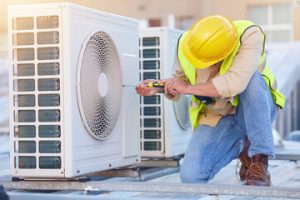
Heating, ventilation, and air conditioning (HVAC) systems are essential components of modern homes and commercial buildings, providing climate control, indoor air quality, and energy efficiency. Properly functioning HVAC systems ensure comfort throughout the year, regulate humidity levels, and support the health and well-being of occupants. Given the complexity of these systems, professional HVAC services are critical for installation, maintenance, and repair. Relying on trained technicians not only enhances system performance but also extends equipment lifespan, prevents unexpected breakdowns, and reduces energy costs. Understanding the scope and benefits of HVAC services is vital for anyone looking to maintain a safe and comfortable indoor environment.
One of the primary services offered by HVAC professionals is installation. Proper installation is crucial to the system’s efficiency and long-term reliability. This process involves selecting equipment that matches the size and requirements of the space, positioning components for optimal airflow, and ensuring proper electrical and ductwork connections. Technicians perform load calculations to determine the correct capacity of heating and cooling units, avoiding problems such as uneven temperatures or excessive energy consumption. A well-installed HVAC system can provide consistent comfort, reduce wear on components, and prevent costly issues that often arise from improper setup.
Regular maintenance is another key aspect of HVAC services. Routine inspections and preventive care help identify potential issues before they become major problems, saving homeowners and businesses both time and money. Maintenance typically includes cleaning or replacing filters, inspecting and calibrating thermostats, checking refrigerant levels, and examining electrical components for wear or damage. Additionally, technicians clean coils, lubricate moving parts, and inspect ductwork to ensure efficient airflow. Most professionals recommend scheduling maintenance at least twice a year—once for heating systems before the winter season and once for cooling systems before the summer. By adhering to a maintenance schedule, system efficiency is preserved, energy costs are minimized, and the likelihood of unexpected failures is significantly reduced.
HVAC repair services are essential when systems malfunction or fail to operate efficiently. Common issues that require repair include refrigerant leaks, compressor failures, clogged drains, thermostat malfunctions, and airflow obstructions. Early intervention is crucial, as minor problems can quickly escalate into major system failures if left unaddressed. For example, a small refrigerant leak not only reduces cooling efficiency but can also damage the compressor, leading to costly replacement. Professional repair services involve diagnosing the root cause of the issue, implementing the necessary repairs, and testing the system to ensure it operates at peak performance. Quick and effective repairs help maintain comfort, reduce energy wastage, and prevent further damage to the equipment.
Energy efficiency is a growing priority for both residential and commercial property owners. Modern HVAC services focus on optimizing system performance to reduce energy consumption and lower utility bills. Technicians often recommend energy-efficient upgrades, such as programmable thermostats, high-efficiency filters, variable-speed motors, and properly insulated ductwork. In addition, routine maintenance contributes to efficiency by ensuring all components operate correctly, minimizing unnecessary energy use. An energy-efficient HVAC system not only saves money but also reduces the environmental impact of heating and cooling operations, aligning with sustainability goals.
Indoor air quality is another important consideration addressed by HVAC services. Poor ventilation, dust accumulation, and microbial growth in HVAC systems can negatively affect health, causing respiratory issues, allergies, or general discomfort. Professionals offer solutions such as air duct cleaning, installation of air purifiers, and humidity control systems to ensure that indoor air remains clean and safe. Regular inspection of air filters, vents, and humidifiers prevents contaminants from circulating, enhancing comfort and protecting the health of occupants. For businesses, maintaining high indoor air quality also contributes to employee productivity and client satisfaction.
Technological advancements have also shaped modern HVAC services. Smart thermostats, automated climate control systems, and remote monitoring capabilities allow for precise temperature management and energy tracking. Technicians can now integrate these technologies into HVAC systems to provide users with greater convenience and control. For instance, remote monitoring enables real-time detection of performance issues, allowing proactive maintenance or early intervention before problems escalate. By leveraging technology, HVAC services can deliver improved comfort, energy efficiency, and system reliability.
When selecting HVAC services, several factors should be considered to ensure quality and effectiveness. First, experience and certification are essential; technicians should be trained and licensed to handle heating, cooling, and ventilation systems safely and competently. Second, service offerings should include installation, maintenance, repair, and emergency support to address a wide range of needs. Third, response time and availability are critical, especially during extreme weather conditions when system failure can lead to discomfort or safety concerns. Finally, transparent pricing and detailed service agreements help property owners understand the scope of work and associated costs, ensuring confidence in the services provided.
Preventive measures recommended by HVAC professionals can also enhance system longevity and performance. Regularly replacing filters, keeping vents unobstructed, and monitoring system performance contribute to optimal operation. Additionally, seasonal adjustments, such as checking refrigerant levels before summer or inspecting heating components before winter, ensure systems are prepared for peak demand periods. Small preventive actions, combined with professional service, can extend equipment lifespan, improve reliability, and reduce the likelihood of emergency repairs.
In conclusion, comprehensive HVAC services are essential for maintaining comfort, efficiency, and indoor air quality in both residential and commercial spaces. Professional installation ensures optimal system performance from the start, while regular maintenance prevents costly breakdowns and improves energy efficiency. Repair services address malfunctions promptly, protecting system components and minimizing downtime. By investing in skilled HVAC professionals, property owners can enjoy consistent comfort, lower energy bills, and a longer lifespan for their heating and cooling equipment. With a combination of preventive care, technological integration, and expert support, HVAC services provide the foundation for safe, efficient, and reliable indoor climate management.